

How to Clean Wallpaper
How you clean wallpaper comes down to one thing: what kind you've got. Modern washable vinyl shrugs off warm soapy water and a cloth or sponge. Older non-washable paper, though, tears the instant water touches it, so it has to be cleaned dry. Use the wrong cleaning solution on the wrong paper and a ten-minute chore turns into a full replacement.
So this guide starts with how to tell which type you have, then walks through the right method for each, how to tackle set stains like grease, mold, crayon, and ink, how often any of this is actually needed, and what to do if a seam starts lifting mid-clean. The whole aim is a spotless wall with zero damage.
Identify Your Wallpaper Type First
There are three groups, and each one tolerates less water than the last.
Scrubbable is the hardiest. It's vinyl-based and made for busy, damp rooms, so you'll mostly meet it in kitchens and bathrooms, with the odd shop wall thrown in. Mild soap doesn't faze it. Nor does a light scrub, week after week.
Washable paper is what most people actually have, since it's made up the bulk of sales since the 1990s. A soft sponge with warm water and mild dish soap is fine on it. Bring out a scrub brush, though, or anything harsh from under the sink, and you'll regret it.
Then there's non-washable, where water wrecks the surface on contact, so it all gets cleaned dry. Grasscloth catches people out because it looks so tough. Older papers belong here too. So do hand-printed designs, and anything with a fabric face.
Kept the roll label? It'll tell you. If it's long gone, find the hidden corner behind a door, dab the paper with a damp cloth and count off thirty seconds. Beads sitting on the surface mean washable or scrubbable. A dark patch is the bad sign (so is color bleeding, or the paper drinking the water in), and it means non-washable.
We'd run that test on every wall, every time. Halfway across the living room is a much worse place to learn your paper hates water.
Tools and Materials
Short kit. The only thing you'll likely need to buy is a dry cleaning sponge or wallpaper eraser, and only if your paper turns out to be non-washable.
The rest is probably within ten steps of the sink. Fill a bucket with warm water. Any mild dish soap will do (Dawn or Palmolive is fine, or any grease-cutting liquid). Grab a clean sponge too, the soft non-abrasive kind. A microfiber cloth or two handles the drying. The vacuum comes out with its soft brush attachment, and white vinegar waits nearby for tough spots and mildew. Tall walls? Then the step ladder joins the pile.
How Often Should You Clean Wallpaper?
Honestly, less often than you'd think. Once a month, run the vacuum's soft brush attachment down the wall to lift the dust and cobwebs before they build up.
After that it's mostly about hands, and where they land. The wall around a light switch is the obvious one, and doorways get much the same treatment, as does the patch behind the chairs. Those spots get a damp microfiber cloth every few months. Once a year the whole wall gets a full deep clean if it's washable, or a dry sponge pass if it isn't. Marks don't wait for the schedule, though. Deal with one within a day or two of spotting it, before it sets.
Your kitchen and bathroom are the exceptions. Grease and steam build up in there and the air stays damp, so they need more. Bedrooms and living rooms get off lightly, and a bedroom or powder room can happily coast a full year between deep cleans.
How to Clean Washable Wallpaper
This is the common modern case, so here's the routine.
Take a ten-foot kitchen wall in washable vinyl with the stove in the middle. The vacuum goes on first. A wet sponge turns every cobweb in the corner into a gray smear, so run the soft brush attachment over the lot before any water comes out.
Now the mix. One tablespoon of mild dish soap goes into two cups of warm water, stirred slowly. A head of suds means you stirred too hard. Dab a little on a spot behind the trash can with a damp sponge, not a wet one, and give it a minute. Did the color run? Did the texture change? Two noes and you're clear.
Work top to bottom in small sections. The sponge should be barely damp, never dripping, because a drip runs until it finds a seam and slips in behind it, and that's how paper lifts. Keep a second clean sponge in fresh warm water for rinsing as you go so soapy water never dries on the paper. Dab up any drop that pools. Then dry that section with the microfiber cloth before you touch the next. Air-drying is tempting. It leaves water marks.
If the patch above the stove still looks dull, give it a second gentle pass with the same mix rather than more soap. We'd take two soft passes over one aggressive one every time, and the same goes for the band behind a sofa where heads rest.
How to Clean Scrubbable Wallpaper
Same routine as washable, with two tweaks. On caked-on soap scum or grease that's gone tacky, you can set the sponge down and use a soft-bristle brush. Tougher marks can also take a stronger mix, up to two tablespoons of soap in the same two cups of water, and the surface won't mind.
Go easy with that brush. Scrubbable stock is the only kind that takes bristles without scarring, so if your paper is washable and maybe not scrubbable, we'd leave the brush in the drawer and stick to the sponge.


What Makers Recommend for Wallpaper Care
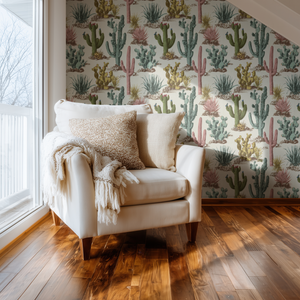
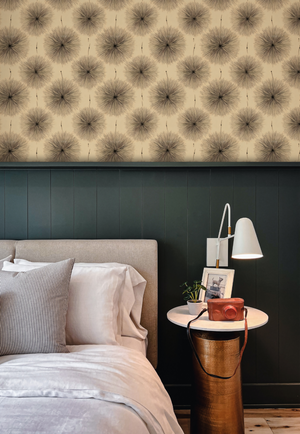
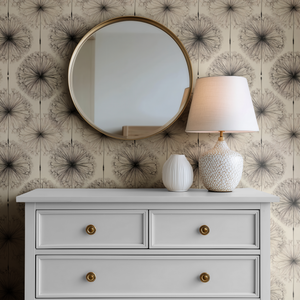
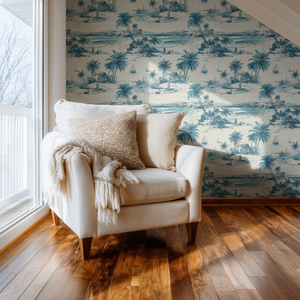
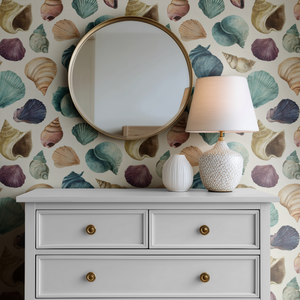
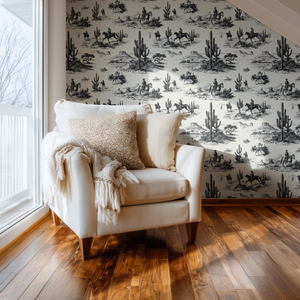
The right method tracks the material, and the makers say as much. The Tempaper "Frequently Asked Questions" page, for one, tells you to install only on smooth painted walls. That's an install rule, but the thinking (fit the job to the surface) carries straight over to cleaning and restoration. A gentle wallpaper cleaner on the right surface keeps it looking new. The wrong product can scar the face for good. Vinyl's the easy one, a damp cloth and done. Uncoated paper stays dry however grubby it gets, grasscloth too, and your stain method has to fit inside the rule the material set.
How to Spot Clean Non-Washable Wallpaper
Older paper, grasscloth, fabric-faced, and hand-printed designs all demand dry methods. Get any of them wet and the ink can lift right off, or the paper swells until it tears.
So the vacuum does the real work. It isn't the warm-up, it is the clean, and you'll want to go slowly over every inch with the soft brush attachment.
Fingerprints around a hallway light switch call for a dry cleaning sponge (also sold as a soot sponge or wallpaper eraser), a rubber block that lifts grime with no moisture at all. Stroke one direction and lift between strokes rather than rubbing back and forth. A stubborn mark might give way to a kneadable rubber eraser, the squishy kind charcoal artists use, once you've tried it out of sight.
No liquid touches this paper. That rules out a damp cloth, and it rules out even a little soapy water.
Some walls are too far gone for the dry route. Then it's professional cleaning and restoration, or replacement. Wet cleaning isn't a third option. Force it and you've swapped dirt for permanent surface damage.
How to Spot Clean Specific Wallpaper Stains
Every stain has its own quirks, so the fix shifts a little each time. Whatever you try, try it on a hidden patch first.
Grease is the friendliest of the bunch. Fresh splatter on washable paper lifts with the usual soap and water. Old grease is stubborn. Pack the spot with cornstarch (talcum powder works too) and go make a coffee. By the time you're back in half an hour, the powder has drawn the oil out. Brush it off and clean as normal.
Vinegar handles mold and mildew, cut half and half with water and dabbed on with a sponge. Washable paper only. Cleaning won't touch the cause, mind you, so if it's spread past a small patch, go looking for the damp air or hidden leak behind it. On non-washable stock, mold usually means replacement, not cleaning.
Crayon tends to show up at about knee height. On washable paper, rub on a baking soda paste (roughly one part soda to three of water) with a soft cloth and wipe it off. Non-washable gets the dry cleaning sponge only, and may keep a faint waxy ghost.
Ink is worse. So is marker. Your best bet on washable paper is a cloth barely touched with rubbing alcohol, blotted on, never rubbed. Test it first, and not as a formality, because alcohol will lift the paper's own color right along with the ink. On non-washable stock the ink has usually won before you start.
You're racing the clock with spills. Coffee needs blotting fast with a dry cloth before it soaks in, and juice is no different. Food too. Then finish however your paper type prefers.
Smoke and nicotine are the slow ones. Their tar film often shrugs off one soapy pass, so on washable paper plan on a few. Non-washable stock only gets dry-sponging, which skims the surface film and nothing more. Whatever has set deep in the fibers is staying.
Common Mistakes to Avoid
Most of the ways this goes wrong come back to water. Usually the sponge is to blame. Leave it dripping and the water heads for the seams, and a soaked seam lifts, which is why we keep nagging you to wring it until it's barely damp. Soapy water drying on the wall is sneakier. Nothing looks wrong when you put the bucket away, but when low sun hits that wall sideways you'll see dull streaks across the finish. Worst is cleaning over a seam that's already lifting, since you're pushing moisture behind the paper so it peels faster.
Then come the heavy-handed mistakes. Skipping the spot test tops our list because it's so avoidable, and sixty seconds in a hidden corner is all that stands between you and a ruined wall. A gritty scrub pad will scar the face, even on scrubbable stock. Harsh cleaners do the same. Bleach is worse again, and so is ammonia. Those two strip the ink and soften the paste underneath. So will strong solvents.
One more, and it isn't about the paper. Kill the circuit before you clean around an outlet. A damp sponge near live wires is a real hazard.
What to Do If Wallpaper Starts Peeling While Cleaning
If a seam starts to lift or a corner curls while you work, stop right there. Another pass only makes it worse, however much you want to smooth it down.
Press a dry microfiber cloth along the seam to get the water off the face and, more to the point, out of the joint. Then walk away. That curled corner will bug you, but the wall needs a full 24 hours to dry before anything else happens.
Next day, grab wallpaper seam glue from any hardware store. Run a thin bead under the lift and press it flat. Wipe the squeeze-out with a damp cloth, then weight it while it sets if you can. A lift longer than a few inches is a paste job instead. Spread wallpaper paste thin on the wall behind it and press the paper back, smoothing from the inside out.
Still won't stay put? Then the paste behind it has failed. You're patching from a saved roll at that point (assuming you kept one) or replacing the whole strip.
Frequently Asked Questions
What is the safest way to clean wallpaper?
Vacuuming with a soft brush attachment, hands down. It works on every type, vinyl and grasscloth alike, and harms none of them. Past plain dust, you'll need to know your paper first (the thirty-second water test above) and match the method to it.
How do professionals clean wallpaper?
Much the way you'd hope: they figure out the type, run a spot test, vacuum first, and then reach for the gentlest thing that actually shifts the dirt. On a non-washable wall that may never go past a dry sponge, since damp only comes in when it has to. Harsh chemicals never get near the wall.
Does white vinegar clean wallpaper?
It does, on washable and scrubbable paper, mixed 50/50 with water. Mildew spots are where it earns its keep, and it makes a streak-free rinse besides. Not on non-washable or hand-printed stock, though. The colors can bleed.
Can you use Zinsser on wallpaper?
Zinsser mostly makes primers, not cleaners. You'd use its oil-based primers to seal a wall before paint, which is a removal-and-repaint job (see our guide on Can You Paint Over Wallpaper?) rather than a cleaning one.
Our Take
Almost all cleaning damage traces to one of two slips: wet methods on non-washable paper, or too much water on the washable kind. Both vanish the moment you spot-test and wring the sponge out properly. That's the whole secret, really. This is gentle work, and the prep and light touch matter far more than the strength of whatever you mix up. Faced with a wall we didn't know, we'd vacuum it and test a corner before any water went near it.
Already staring at a wall a past cleaning has damaged? Our guide on How to Remove Wallpaper covers the four methods that work on nearly every type, for when starting over is the smarter call.
Last updated: May 2026.


